

Mobile Home Subfloor Repair and Replacement in Florida
Soft, spongy, or sagging floors are one of the most common problems mobile homeowners run into, and they almost always start underneath the home. When moisture reaches the subfloor, the particle board or OSB it was built with begins to swell, weaken, and break down, which is what you feel as that sinking or springy spot underfoot. Sunshine State Vapor Barrier repairs and replaces damaged subfloors for mobile and manufactured homeowners across Florida, and we fix the moisture problem causing the damage so it does not come back
What Causes Mobile Home Subfloor Damage
Most subfloor damage traces back to moisture. When the vapor barrier under your home tears or fails, ground humidity moves up into the floor system and the wood starts to absorb it. Plumbing leaks around tubs, toilets, and water heaters do the same thing from above. Because the original subfloor material in most mobile homes is particle board, it holds that moisture and falls apart faster than solid plywood would. Left alone, the damage spreads outward from the wet spot and eventually reaches the floor joists and framing.

Signs You Need Subfloor Repair
You do not have to see the damage to know it is there, because it shows up underfoot. Watch for:
-
Soft, spongy, or bouncy spots when you walk across the floor
-
Floors that sag or dip, especially near the bathroom, kitchen, or exterior walls
-
A sinking feeling around the tub, toilet, or major appliances
-
Floors that feel uneven or slope in places
-
Water stains, discoloration, or a musty smell near the affected area
-
Flooring that has separated, cracked, or lifted
Catching it early usually means a smaller repair, since the longer a soft spot sits, the more of the floor it takes with it.
Our Subfloor Repair and Replacement Process
We start with a free under-home inspection and document the condition of your subfloor and its supports with photos. We pull back the affected flooring, remove the damaged subfloor material, and check the joists and supports underneath for moisture damage of their own. Then we rebuild the floor with stronger material so the repaired area is solid and stays that way. Because moisture is usually the root cause, we also check the condition of your vapor barrier and insulation and address what let the water in, so you are not repairing the same spot again next year.
Repair or Full Replacement?
Not every soft floor needs a full replacement. A single damaged area caught early can often be repaired without redoing the whole floor. When moisture has spread across a large section, or the same problems keep coming back, replacing the subfloor across the affected area is the better long-term fix. After the inspection we tell you honestly which one your home needs and why, with photos to back it up.
Free Under-Home Inspections
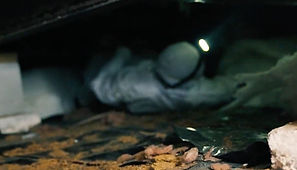
You do not have to guess how far the damage goes. Our team gets under your home, checks the subfloor along with your vapor barrier, insulation, and supports, and documents everything with photos you can keep. After the inspection we explain what we found and recommend the repairs that make sense for your home, with no pressure to do everything at once.
Why Subfloor Problems Spread Faster in Florida
Florida's climate is hard on a mobile home floor. Constant humidity, heavy summer rain, and sandy soil that holds moisture keep the space under your home damp for much of the year, and that steady exposure breaks particle board down faster than in drier climates. A soft spot that might sit unchanged elsewhere can grow noticeably worse over a single wet season here. That is also why fixing only the floor without addressing the moisture underneath rarely lasts, and why we look at the whole underside of the home rather than just the symptom.
Subfloor Repair FAQ
How do I know if it is the subfloor or just the flooring?
If the surface flooring is worn or damaged but the floor still feels solid, it may just be the covering. When the floor feels soft, spongy, or sinks underfoot, the subfloor beneath it is usually the problem. The inspection confirms which it is.
Do you fix what caused the damage, or just the floor?
Both. Repairing the floor without addressing the moisture source usually means the problem returns, so we check your vapor barrier and insulation during the repair and address what let the water in.
Can you repair just the soft spot, or does the whole floor need replacing?
It depends on how far the moisture has spread. A single area caught early can often be repaired on its own. When the damage runs across a large section, replacing the subfloor in that area is the better fix. We will show you the extent of it and let you decide.
What material do you use to replace the subfloor?
We rebuild the affected area with stronger material than the original particle board, so the repaired section holds up better against future moisture and everyday wear.
What causes soft floors in a mobile home?
Almost always moisture. A failed vapor barrier lets ground humidity into the floor from below, and plumbing leaks add water from above. The original particle board subfloor absorbs it and breaks down, which is what you feel as a soft or sagging spot.
Schedule Your Free Subfloor Inspection
A soft floor only gets bigger and more expensive the longer it goes, because the moisture keeps working its way into the surrounding floor and framing. We will get underneath, show you photos of what is happening, and walk you through your options before it spreads. The inspection is free, with no obligation.
800-828-2097
